Your Windowsill Is a Medicine Cabinet: 7 Healing Plants to Grow at Home Right Now
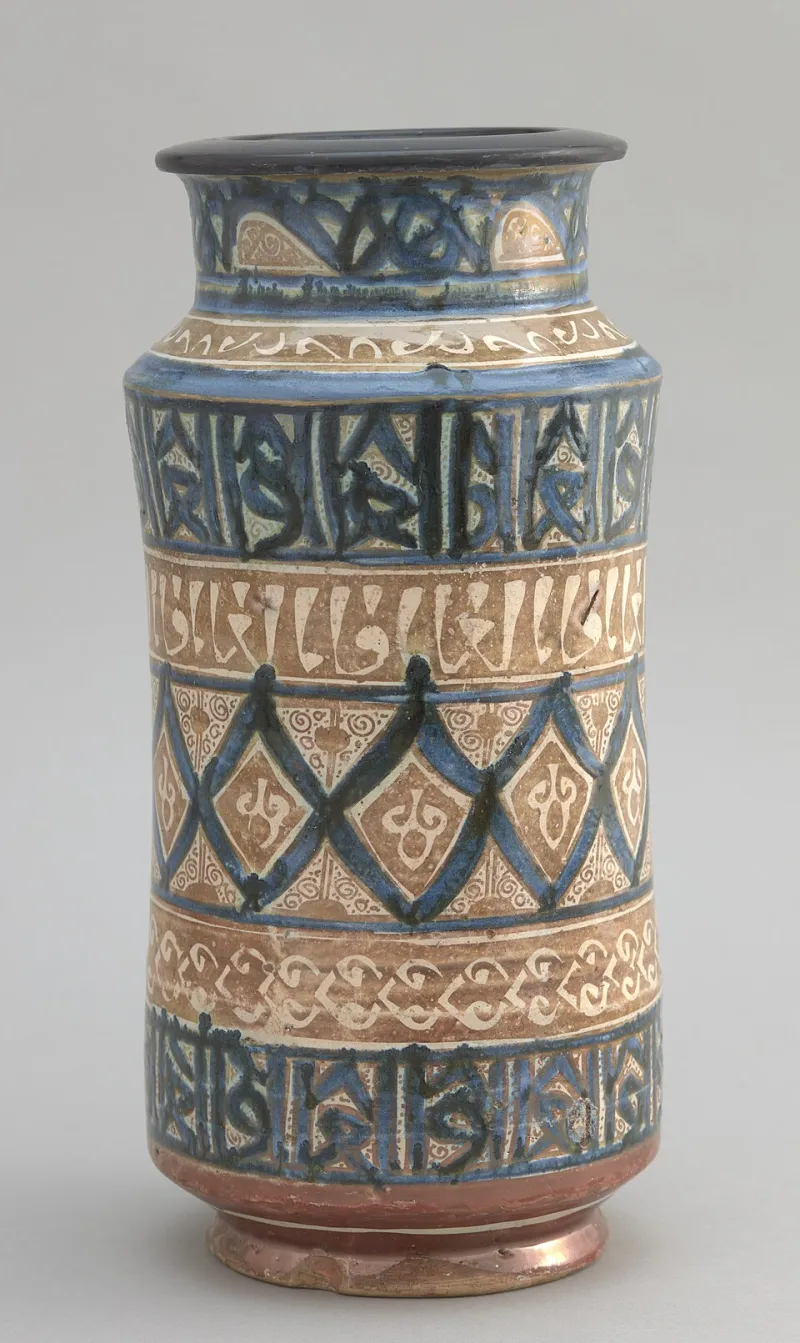
Photo: anonymous , CC0, via Wikimedia Commons
Here's a thought that might blow your mind a little: before there were pharmacies, there were gardens. For most of human history, the plants growing just outside the door were the first line of defense against everything from a stomachache to a sleepless night. And while we're not suggesting you ditch your doctor (please don't), there's something genuinely exciting about reclaiming a little of that botanical wisdom—right on your windowsill.
Whether you've got a sprawling backyard or a single south-facing window in a Brooklyn walk-up, these seven medicinal plants are worth growing. They're approachable, they're useful, and they connect you to a tradition of green healing that's as old as humanity itself.
1. Aloe Vera — The Original First Aid Kit
What it does: Aloe vera's thick, gel-filled leaves are packed with compounds—including acemannan and anthraquinones—that soothe burns, calm inflammation, and support skin healing. It's one of the most well-researched medicinal plants on the planet.
How to grow it: Aloe thrives in bright, indirect light and prefers to dry out completely between waterings. Use a well-draining cactus mix, plant it in a terracotta pot, and basically ignore it. It loves neglect.
How to use it: Snap off a lower leaf, slice it open, and apply the clear gel directly to minor burns, sunburns, or irritated skin. For a DIY face mask, blend the gel with a little honey and apply for 15 minutes. Some people also add aloe gel to smoothies for gut support—just make sure you're using only the inner gel, not the latex layer near the skin.
Harvest tip: Always take leaves from the outermost ring and let the plant recover between harvests.
2. Peppermint — The Digestive Superstar
What it does: Peppermint contains menthol, which has antispasmodic properties that help relax the muscles of the digestive tract. It's been shown to reduce symptoms of IBS, ease bloating, and calm nausea—and it smells incredible.
How to grow it: Peppermint is vigorous (read: it will try to take over everything). Grow it in a container to keep it in check. It prefers moist soil and partial to full sun. Water regularly and don't let it dry out completely.
How to use it: Steep fresh leaves in hot water for 10 minutes for a soothing digestive tea. You can also muddle leaves into water for a refreshing daily drink, or use the essential oil diluted in a carrier oil for tension headache relief—just dab a tiny amount on your temples.
Harvest tip: Pinch stems just above a leaf node to encourage bushier growth. The more you harvest, the fuller the plant gets.
3. Ashwagandha — Stress Relief in a Pot
What it does: Ashwagandha is an adaptogenic herb that's been central to Ayurvedic medicine for over 3,000 years. Modern research backs up its reputation: it's been shown to lower cortisol levels, reduce anxiety, improve sleep quality, and support cognitive function.
How to grow it: This one requires a little more patience. Ashwagandha grows best in a sunny spot (at least 6 hours of direct light daily) and well-draining soil. Start from seed indoors in late winter, then transplant to a larger container as it matures. It's drought-tolerant once established.
How to use it: The medicinal part is the root, which you'll harvest after about 150–180 days. Dry the roots, then grind into a powder. Add half a teaspoon to warm milk (or oat milk) with honey and a pinch of cinnamon for a traditional ashwagandha latte. You can also add the powder to smoothies.
Harvest tip: Wait until the plant flowers and the berries turn red before harvesting the roots—that's when potency peaks.
4. Lavender — The Calm in a Pot
What it does: Lavender's calming effects are well-documented. Its primary compound, linalool, has been shown to reduce anxiety, improve sleep quality, and even ease mild depression symptoms. The scent alone can lower heart rate and blood pressure.
How to grow it: Lavender loves full sun and excellent drainage. Use a sandy, slightly alkaline soil mix and a container with drainage holes. It's drought-tolerant and actually prefers to be a little dry. Avoid overwatering at all costs.
How to use it: Dry the flower spikes and place them in a sachet under your pillow for better sleep. Steep fresh or dried flowers in hot water for a calming tea. You can also infuse dried lavender in a carrier oil (like jojoba) for a DIY massage oil.
Harvest tip: Cut flower spikes just as the buds begin to open—this is when the aromatic compounds are most concentrated.
5. Holy Basil (Tulsi) — The Sacred Stress-Buster
What it does: Not to be confused with culinary basil, holy basil (or tulsi) is another revered adaptogen. It's been shown to reduce stress hormones, support immune function, and even help regulate blood sugar levels. It's also a potent anti-inflammatory.
How to grow it: Tulsi thrives in warm temperatures and full sun—it's a great windowsill plant in summer. Start from seed or transplant, keep the soil consistently moist, and pinch off flowers regularly to encourage leaf production.
How to use it: Fresh or dried leaves make a wonderfully aromatic tea that's become a morning ritual for many wellness enthusiasts. You can also add fresh leaves to salads, stir-fries, or smoothies. Many herbalists recommend drinking tulsi tea daily as a general tonic.
Harvest tip: Harvest in the morning when essential oil content is highest. Never take more than a third of the plant at once.
6. Lemon Balm — Your New Anxiety Ally
What it does: Lemon balm is a member of the mint family with a gentle, citrusy scent and a long history as a calming herb. Research suggests it can reduce anxiety, improve mood, and promote restful sleep—making it a great natural complement to stress management routines.
How to grow it: Similar to mint, lemon balm is enthusiastic and container-friendly. It prefers partial shade to full sun and consistent moisture. It's one of the easiest herbs you can grow—practically foolproof.
How to use it: Fresh leaves make a delightful tea on their own or blended with chamomile. You can also add leaves to lemonade, cocktails (or mocktails), or salad dressings for a subtle citrus lift.
Harvest tip: Like mint, cut just above a leaf node. Lemon balm grows back quickly and generously.
7. Calendula — The Skin Whisperer
What it does: Calendula flowers are rich in flavonoids and carotenoids that make them powerfully anti-inflammatory and antimicrobial. They've been used for centuries to heal skin irritations, eczema, wounds, and rashes—and modern dermatology research supports the hype.
How to grow it: Calendula is a sun-loving annual that's surprisingly easy to grow from seed. It prefers cooler temperatures, making it ideal for spring and fall growing. Keep the soil moderately moist and deadhead spent flowers regularly to encourage continuous blooming.
How to use it: Infuse dried petals in a carrier oil (olive or sweet almond work well) for 4–6 weeks to create a healing skin oil. Use it directly on dry patches, irritated skin, or as a base for DIY salves and balms.
Harvest tip: Pick flower heads when they're fully open and dry them in a single layer on a screen away from direct sunlight.
A Note on Safety
While these plants have impressive wellness credentials, they're not substitutes for medical care. If you're pregnant, nursing, on medications, or managing a chronic condition, check with your healthcare provider before incorporating medicinal herbs into your routine. Plants are powerful—which is exactly why they deserve your respect.
Now go find a pot, some soil, and a sunny window. Your green pharmacy awaits.