Cuttings, Cash, and Community: How Plant Parents Are Turning Their Hobbies Into Micro-Businesses
Somewhere between your third overflowing propagation station and your fifteenth unsolicited cutting gifted to a neighbor who "seemed like they might like plants," a thought probably crossed your mind: Could I actually sell these?
Spoiler: yes. And thousands of people already are.
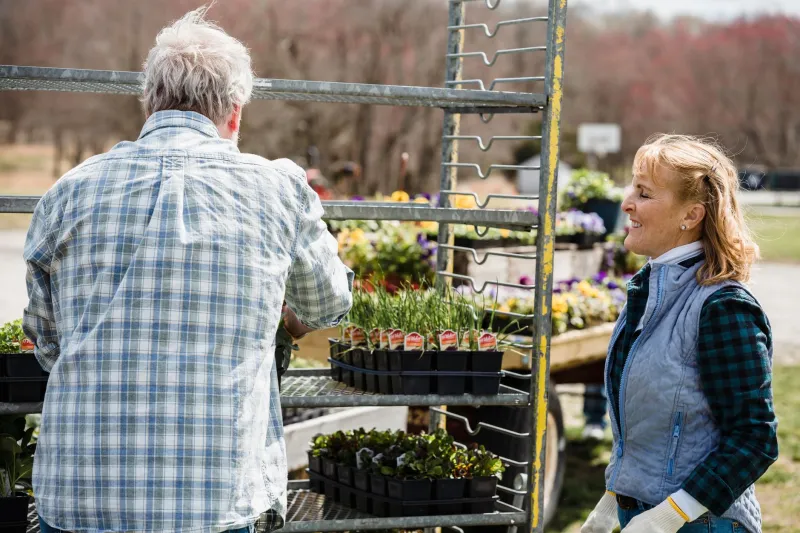
The propagation-to-profit pipeline is one of the quietly revolutionary things happening inside the American plant community right now. It doesn't look like a tech startup. It looks like a folding table at a weekend market, a beat-up wagon full of four-inch pots, and a handwritten sign that says "Rooted Cuttings — $4 each." It looks like an Etsy shop with 47 five-star reviews run out of a spare bedroom in Columbus, Ohio. It looks, honestly, like joy with a little hustle attached.
How It Usually Starts
For most propagators-turned-sellers, the origin story is almost embarrassingly humble. You learn to propagate because plants are expensive and you want more of them. You get good at it. Your shelves fill up. Your friends start asking if they can buy a few. And suddenly you're taking Venmo payments at your kitchen table.
That's roughly how it went for Marisol, a 34-year-old elementary school teacher in Phoenix who now runs a small online shop called Desert Roots Collective. "I was propagating succulents just to fill my apartment," she says. "Then I started posting on Instagram and people kept asking where they could buy them. It took me about six months to realize I was sitting on something real."
Marisol now sells between 80 and 120 plants a month, mostly through Instagram DMs and a simple website she built herself. It's not her primary income — she's clear about that — but it covers her plant supply budget and then some. "I think of it as my plants paying for themselves," she laughs.
The Platforms Powering the Plant Economy
Social media isn't just where plant sellers advertise — in many cases, it is the business. Instagram and TikTok have become the primary discovery engines for small plant sellers, with hashtags like #propagationstation and #plantsforsale functioning as a kind of decentralized marketplace.
Facebook Groups remain surprisingly powerful, too. Hyperlocal plant groups in cities like Portland, Austin, Atlanta, and Chicago have become thriving micro-economies, with members posting availability lists, organizing local pickups, and building genuine community around the exchange of plants and knowledge.
For sellers who want more structure, platforms like Etsy and Shopify provide storefronts with built-in payment processing and shipping logistics. Shipping live plants is its own art form — heat packs in winter, careful packaging, timing shipments to avoid weekend delays — and experienced sellers develop systems that protect both their plants and their reputation.
The Legal Stuff Nobody Talks About (But Should)
Here's where we have to get a little real: selling plants comes with legal considerations that most hobby sellers don't think about until they're already in the deep end.
First, income is taxable. Even if you're selling out of your garage, if you're making money, the IRS wants to know about it. Many small sellers operate as sole proprietors, which is perfectly legal — just make sure you're tracking income and expenses and filing accordingly.
Second, and this one surprises people: some plants are regulated. The USDA has restrictions on shipping certain plant species across state lines, particularly plants that could carry pests or diseases. Sellers shipping live plant material across state borders should familiarize themselves with USDA APHIS regulations. Certain invasive species are outright illegal to sell in some states. It sounds bureaucratic, but it matters — both for legal protection and for ecological responsibility.
Third, if you're selling at farmers markets or local events, check whether your city or county requires a vendor license or business permit. Requirements vary wildly depending on where you live.
None of this should scare you off. It just means doing a little homework before you hang out your shingle.
What Makes a Propagation Business Actually Work
Talking to people who've built sustainable (pun intended) plant side hustles, a few patterns emerge.
Specialize. The sellers who do best tend to focus on a niche — rare aroids, locally-adapted natives, heirloom herbs, hard-to-find succulents — rather than trying to sell everything. Specialization builds expertise, and expertise builds trust.
Show your process. People don't just want to buy a plant; they want to buy the story of the plant. Posting propagation videos, sharing failures alongside successes, and letting followers into your growing space creates the kind of authentic connection that turns casual followers into loyal customers.
Price your work honestly. This is where many hobby sellers undercharge out of guilt or imposter syndrome. Your time, your supplies, your space, your knowledge — these all have value. A rooted cutting of a rare Monstera isn't worth four dollars just because you grew it yourself.
Lean into community. The plant community's culture of generosity is a feature, not a bug. Participating in plant swaps, offering the occasional free cutting, and being genuinely helpful in online spaces builds goodwill that translates into long-term customers.
The Bigger Picture
What's happening in the propagation economy isn't just about money. It's about democratizing access to plants that are often priced out of reach at big box stores or boutique nurseries. It's about keeping plant knowledge alive and circulating through communities. It's about creating small, meaningful economic opportunities — especially for people, often women and people of color, who've been locked out of more traditional entrepreneurial pathways.
When Marisol sells a succulent to someone in her neighborhood, she's not just making twelve dollars. She's teaching someone how to care for it, connecting over shared desert heat, and adding a little green to a city that desperately needs it.
That's not a side hustle. That's a movement.
Thinking about starting your own plant shop? Start small, do your research, and remember: the best marketing is a healthy, happy plant.