Pass It On: Inside the Plant Swap Movement Changing How We Think About Growing
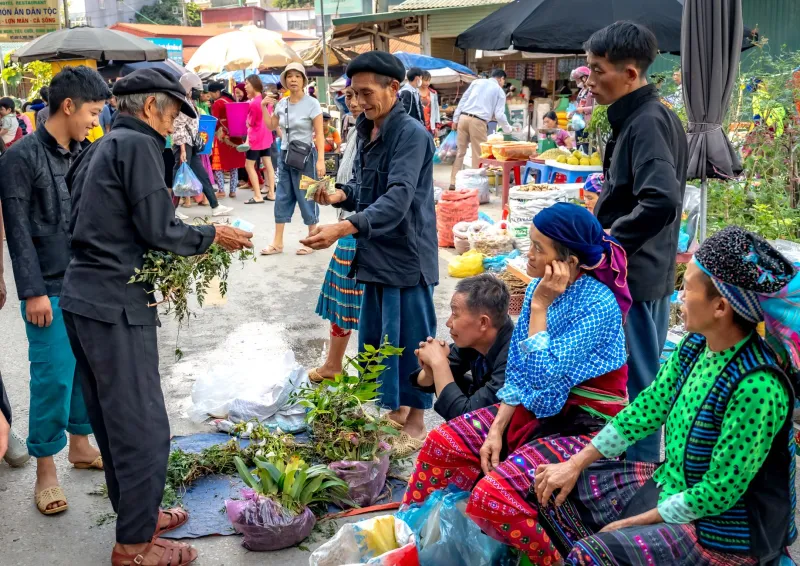
On a Saturday morning in Portland, Oregon, a folding table in a community park is already overflowing by 8 a.m. Pothos cuttings share space with rooted monstera nodes, labeled with hand-scrawled sticky notes. A woman in her sixties sets down a flat of heirloom tomato seedlings she started in February. A college student carefully unwraps a variegated rubber tree she propagated in her dorm room. No money changes hands. Nobody asks for a receipt.
This is a plant swap, and scenes like this are playing out in parking lots, libraries, and community gardens from Austin to Brooklyn to rural Iowa. What started as a niche hobby-group activity has quietly evolved into something more meaningful—a decentralized, grassroots network redefining who gets to grow what, and why.
More Than a Trade: The Philosophy Behind the Swap
At its core, the plant swap movement is a direct challenge to the commodification of the natural world. When a rare Monstera albo cutting sells for $200 on Etsy or a sought-after hoya commands triple digits on Facebook Marketplace, it creates a botanical class divide. The swap says: what if we just didn't do that?
"I got into this because I was priced out," says Marisol Reyes, who organizes monthly swap events in San Antonio, Texas, and runs a 12,000-member online trading group. "I wanted plants I kept seeing on Instagram, but I couldn't afford them. Then someone gave me a cutting for free and told me to pass it on when mine grew big enough. That changed everything for me."
That ethic—receive, grow, share—has become the unofficial creed of propagation networks everywhere. Online communities like Reddit's r/TakeaPlantLeaveaPlant and dozens of regional Facebook groups operate on a gifting economy where reputation matters more than cash. Members are rated on their packaging skills, the health of their cuttings, and how reliably they follow through on trades. It's trust-based commerce, minus the commerce.
Rare and Heirloom Varieties: Democratizing the Uncommon
One of the most remarkable outcomes of these networks is the circulation of plant varieties that have largely disappeared from commercial nurseries. Heirloom vegetables, heritage roses, and regionally specific native plants are quietly moving between gardeners in ways that no big-box store could replicate.
In Appalachia, seed and plant libraries have become custodians of varieties that would otherwise vanish—beans grown by the same family for a hundred years, ground cherries that can't survive industrial supply chains. In Southern California, native plant swaps are redistributing species critical to local pollinators and drought resilience. These aren't just pretty plants. They're living archives.
"When I give someone a cutting of my grandmother's Christmas cactus, I'm giving them a piece of family history," says Darnell Washington, a swap organizer in Atlanta who focuses specifically on culturally significant plants within Black gardening communities. "That plant is probably sixty years old. You can't buy that."
The Environmental Case for Swapping
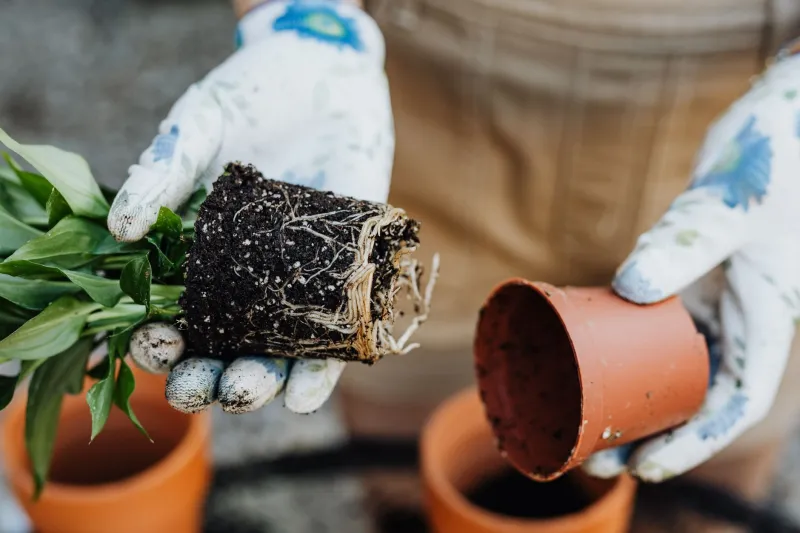
Beyond community, there's a clear ecological argument for trading plants over buying them. Commercial plant production—especially for trendy houseplants—often involves intensive growing operations, synthetic fertilizers, and long shipping chains that rack up serious carbon miles. A cutting snipped from a neighbor's shelf and rooted in a glass of tap water has essentially zero environmental footprint.
Propagation also slows the demand for wild-harvested or ethically dubious plants. The exotic plant trade has a troubling history of stripping native ecosystems, and while most nurseries now source responsibly, the swap model sidesteps the issue entirely. What you grow from a cutting you received from a friend came from a plant that was already here, already loved, already part of someone's home.
There's also the matter of packaging. Online plant trading has pushed sellers and swappers alike to get creative with sustainable packaging—repurposed newspaper, compostable pots, recycled boxes. The community polices itself. Show up with excessive single-use plastic and you'll hear about it.
How to Get In
If you've never attended a swap, finding one is easier than you'd think. Local plant society websites, Meetup.com, and neighborhood Facebook groups are good starting points. Many botanical gardens and public libraries now host annual or seasonal swap events. Nextdoor can surface hyperlocal trades happening just blocks away.
Online, the communities are enormous and generally welcoming to beginners. Don't worry if you only have common varieties to offer—a healthy golden pothos or a well-rooted spider plant is always welcome somewhere. The culture tends to be generous with newcomers.
And if there's no swap near you? Start one. Marisol's first event had eleven people and a card table. "Now we get three hundred people showing up," she says. "All I did was post a flyer and show up with my plants."
The seeds of something bigger are already in your hands. All you have to do is share them.