Ditch the Lawn, Plant the Wild: Why Native Yards Are the Suburban Revolution We've Been Waiting For
Let's talk about the lawn for a second.
The American lawn — that flat, green, chemically maintained carpet that stretches from sea to shining sea — is one of the most ecologically destructive things we've collectively agreed to call beautiful. It covers an estimated 40 million acres of land in the United States. It demands roughly 9 billion gallons of water per day. It supports almost no wildlife. And we mow it, feed it, and fuss over it like it's doing us a favor.
A growing number of American homeowners have decided they're done.
The native plant movement — sometimes called rewilding, sometimes called ecological landscaping, sometimes just called "my HOA is furious with me" — is transforming suburban yards from coast to coast. And it's not a fringe thing anymore. It's a genuine cultural shift, backed by science, driven by community, and slowly but surely changing what "a nice yard" looks like in America.
What We Mean When We Say "Native"
A native plant is one that evolved in a specific region over thousands of years, developing relationships with local insects, birds, soil microbes, and weather patterns. These plants are, in a very literal sense, part of the local food web. They're not just decorative — they're functional infrastructure for entire ecosystems.
Non-native ornamental plants, by contrast — the hostas, Bradford pears, English ivy, and burning bushes that dominate most suburban landscapes — are essentially ecological dead zones. They look fine. Butterflies ignore them. Caterpillars can't eat them. Birds find nothing to nest in or feed on.
Entomologist Doug Tallamy's research at the University of Delaware has been foundational here. His work demonstrates that native oaks alone support over 500 species of caterpillars, which in turn are the primary food source for nesting birds. A Bradford pear supports twelve. The math is stark.
Region Matters — A Lot
One of the most common mistakes people make when getting into native plants is treating "native" as a monolithic category. A plant native to the Mid-Atlantic is not necessarily native to the Pacific Northwest. Native landscaping is inherently local, and that's actually one of its great strengths.
Here's a rough regional starting point:
Northeast & Mid-Atlantic: Look to wild columbine (Aquilegia canadensis), black-eyed Susans (Rudbeckia hirta), native bee balm (Monarda), and the mighty oak for structural planting. Pennsylvania sedge makes an excellent low-maintenance lawn alternative.
Southeast: Beautyberry (Callicarpa americana), passionflower vine (Passiflora incarnata), native azaleas, and longleaf pine understory plants like wiregrass are workhorses of Southern native gardens.
Midwest & Great Plains: The tallgrass prairie is one of the most endangered ecosystems in North America — and your yard can be a small refuge. Purple coneflower (Echinacea purpurea), prairie dropseed grass, rattlesnake master, and native milkweeds are excellent starting points.
Southwest & Arid West: Desert willow (Chilopsis linearis), globe mallow (Sphaeralcea), native salvias, and agaves thrive in low-water conditions while supporting an astonishing range of native bees and hummingbirds.
Pacific Northwest: Red flowering currant (Ribes sanguineum), Oregon grape (Mahonia aquifolium), native ferns, and camas create layered, lush habitats that support everything from bumblebees to migratory songbirds.
The Lady Bird Johnson Wildflower Center's Native Plant Database and the Audubon Society's Native Plant Finder are both excellent, free tools for finding what's right for your specific zip code.
"But Won't It Look Messy?"
This is the question, isn't it? The fear that going native means going feral — that your yard will become the neighborhood eyesore, a tangle of weeds that invites passive-aggressive notes from the HOA.
Here's the honest answer: it depends on how you do it, and also, the definition of "messy" is doing a lot of work in that sentence.
A well-designed native garden can be absolutely stunning — layered, textured, seasonally dynamic, and full of movement from insects and birds. It can also look intentional, which matters for both aesthetics and neighborhood politics. Defined borders, a simple sign explaining your ecological garden, and strategic placement of tidier native plants near the street can go a long way toward managing perception.
But also: we should interrogate why we've decided that "neat" means "ecologically barren." The cultural association between manicured lawns and respectability has deep, complicated roots — including a history of using lawn standards as tools of exclusion in housing. Choosing to let your yard be a little wilder is, in a small way, a political act. A growing number of municipalities are starting to agree, with cities like Coral Gables, Florida, and states like Maryland passing laws to protect homeowners who choose native landscaping.
Getting Started Without Getting Overwhelmed
You don't have to rip out your entire lawn on a Saturday. In fact, please don't — the ecological disruption of a rushed conversion can do more harm than good.
Start with a small area. Convert a garden bed. Add a pollinator patch along your fence line. Plant one native tree — which will do more ecological good than almost anything else you can do for your yard. Let a corner go unmowed through spring and see what volunteers.
Kill your lawn grass slowly and deliberately: sheet mulching (layering cardboard and wood chips over grass) is one of the most effective and low-effort methods, and it enriches the soil as it breaks down.
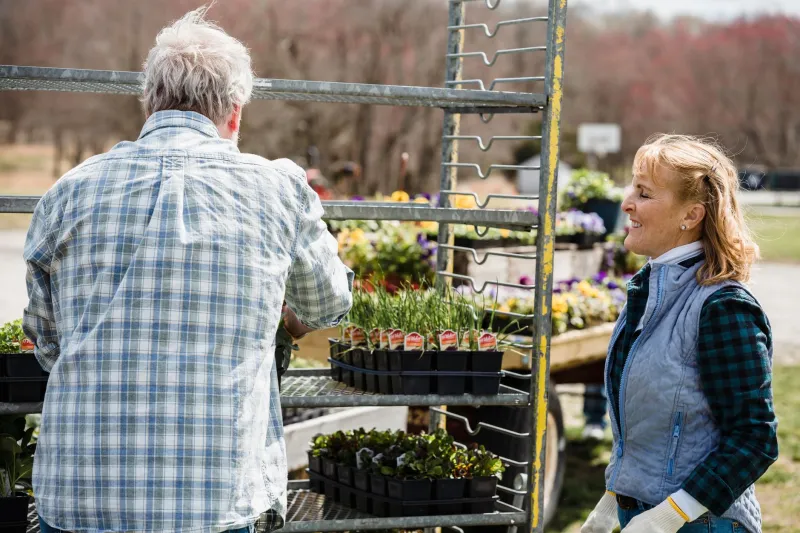
Connect with your local native plant society — almost every state has one — and tap into the knowledge of people who've already navigated the learning curve in your specific region. Many hold plant sales in spring and fall where you can get locally sourced natives at reasonable prices.
The Yard as Ecosystem
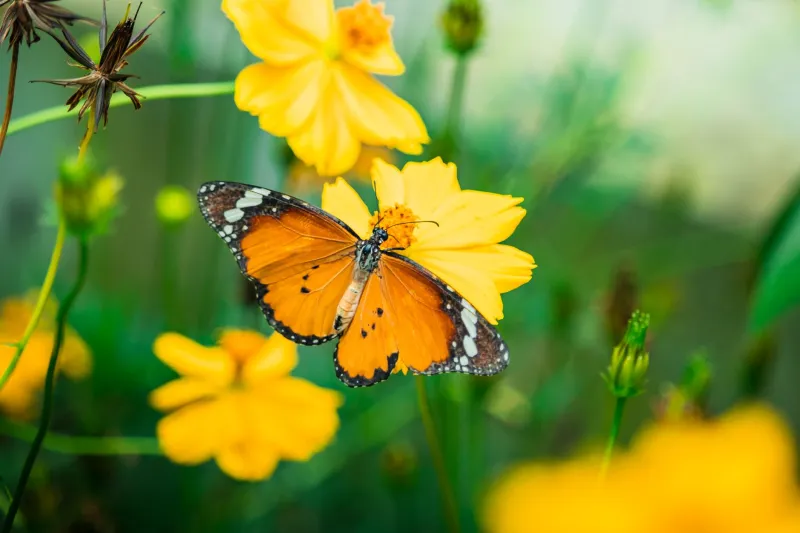
There's something genuinely moving about the moment a native garden starts to come alive. The first time a monarch lands on your milkweed. The goldfinches that show up when your coneflowers go to seed. The ground-nesting bees you never knew existed until you gave them a patch of bare soil to work with.
Your yard — even a small suburban plot — can be part of something much larger. A corridor of habitat in a landscape increasingly hostile to wildlife. A small node in a network of refuges that stretches across neighborhoods, cities, regions.
That's not landscaping. That's an act of ecological solidarity.
And honestly? It's a lot more interesting to look at than grass.